
When decorating a home, many people focus on furniture, wall colors, rugs, and décor. While these elements are important, one of the most powerful design tools is often overlooked: lighting. The way a room is lit can completely change how it looks, feels, and functions.
Lighting does much more than help us see. It influences mood, highlights design features, creates atmosphere, and helps define how a space is used. A room with poor lighting can feel cold or uninviting, while the same room with thoughtful lighting can become warm, comfortable, and welcoming.
Whether you’re looking to create a cozy living room, a productive workspace, or a relaxing bedroom retreat, understanding how lighting affects your home can help you transform every space.
Why Lighting Matters So Much
Light impacts how we experience our surroundings. It affects the colors we see, the size we perceive a room to be, and even our emotional response to a space.
Bright, cool lighting often feels energizing and functional, making it useful for workspaces and task-oriented areas. Softer, warmer lighting tends to create a sense of comfort and relaxation, making it ideal for living rooms and bedrooms.
Because lighting influences both appearance and atmosphere, it should be considered just as important as furniture and décor when designing a room.
A thoughtfully lit home feels more comfortable, inviting, and balanced.
Understanding the Different Types of Lighting
One of the biggest mistakes homeowners make is relying on a single overhead light to illuminate an entire room. While overhead lighting serves an important purpose, it often creates flat, harsh illumination on its own.
The most inviting spaces use a combination of lighting types that work together to create depth and flexibility.
Ambient lighting provides overall illumination and helps light the entire room. Ceiling fixtures, chandeliers, and recessed lighting are common examples.
Task lighting focuses on specific activities such as reading, cooking, working, or applying makeup. Desk lamps, under-cabinet lighting, and bedside lamps are useful examples.
Accent lighting highlights artwork, architectural details, shelves, plants, or decorative elements. It adds dimension and visual interest while helping create atmosphere.
Combining these lighting layers allows you to adjust the mood and function of a room throughout the day.
The Power of Layered Lighting
Layered lighting is one of the most effective ways to create a welcoming home.
Rather than depending on a single light source, layered lighting uses multiple fixtures placed throughout the room. This approach creates a more balanced and comfortable environment while reducing harsh shadows.
For example, a living room might include a ceiling light for overall brightness, a floor lamp for reading, and a table lamp that provides a soft glow in the evening.
Layering light adds depth and warmth while allowing you to customize the atmosphere based on your needs.
A room instantly feels more polished and thoughtfully designed when multiple light sources work together.
Creating Cozy Corners With Light
Lighting can transform even the smallest corner of a home into a relaxing retreat.
A comfortable chair paired with a floor lamp and a soft throw blanket can become the perfect reading nook. A bedside table with a warm lamp creates a calming place to unwind before sleep.
Cozy corners don’t require a lot of space. What matters is creating a sense of comfort and intimacy through focused lighting.
Warm light naturally draws people in and encourages relaxation, making these spaces ideal for quiet moments throughout the day.
Thoughtfully placed lamps can make a home feel significantly more welcoming and personal.
Using Warm and Cool Light Strategically
The color temperature of light affects the mood of a room more than many people realize.
Warm lighting typically produces a soft, golden glow that feels relaxing and inviting. It works particularly well in living rooms, bedrooms, dining rooms, and other areas designed for comfort.
Cooler lighting appears brighter and more energetic. It is often used in kitchens, bathrooms, offices, and workspaces where visibility and focus are priorities.
Choosing the right type of light for each room helps support its intended purpose while improving the overall atmosphere of your home.
The goal is not to use one type everywhere but to create a balance that fits each space.
Enhancing Natural Light
Natural light is one of the most valuable design elements in any home. It helps rooms feel larger, brighter, and more connected to the outdoors.
Maximizing natural light can dramatically improve the mood of a space. Keeping windows clear of heavy obstructions, using light-filtering curtains, and positioning mirrors strategically can help reflect sunlight throughout a room.
Light-colored walls, furniture, and décor can also enhance natural brightness by reflecting available light.
Even small adjustments can make a room feel more open and inviting during daylight hours.
Lighting as a Decorative Feature
Lighting isn’t only functional—it can also serve as an important design element.
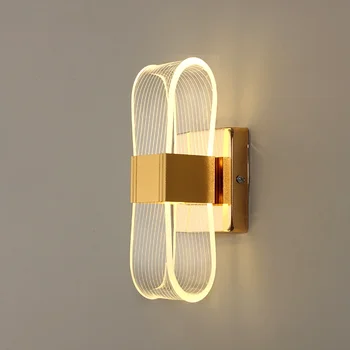
Statement chandeliers, pendant lights, decorative lamps, and unique fixtures can act as focal points that enhance a room’s style and personality.
The right lighting fixture can complement your décor while adding character and visual interest.
Whether your style is modern, farmhouse, minimalist, classic, or eclectic, lighting provides an opportunity to reinforce the overall design aesthetic of your home.
Beautiful lighting can elevate a room even when the lights are turned off.
Transforming Different Rooms Through Lighting
Each room in your home benefits from a different lighting approach.
Living rooms often feel best with layered lighting that supports both relaxation and social gatherings. Bedrooms benefit from soft, calming light that promotes rest. Kitchens require brighter task lighting for cooking and food preparation. Bathrooms need balanced illumination for daily routines, while dining rooms often feel most inviting with warm, ambient lighting.
By tailoring lighting to each room’s purpose, you create spaces that feel more functional and enjoyable.
Lighting helps each area of your home perform at its best.
Final Thoughts: Light Shapes How Your Home Feels
Lighting is one of the most powerful tools in home design because it directly influences mood, comfort, and functionality. Through layered lighting, cozy corners, thoughtful fixture choices, and the strategic use of warm and cool tones, you can completely transform how your home feels.
The best lighting plans balance beauty and practicality while supporting the way you live every day. Whether you’re making small updates or redesigning an entire room, thoughtful lighting choices can have an immediate and lasting impact.
A well-lit home feels warmer, more welcoming, and more enjoyable to spend time in.
How do you use lighting to create your favorite atmosphere at home—warm lamps, natural sunlight, decorative fixtures, or a combination of all three? 💡🏡✨




0 Comments