
Living in a smaller home, apartment, condo, or compact room doesn’t mean sacrificing style or comfort. In fact, some of the most beautiful and functional spaces are thoughtfully designed smaller spaces that make every square foot count.
The key to successful small-space decorating is finding the right balance between functionality and design. By choosing smart furniture, maximizing storage, and creating visual openness, you can make even the smallest rooms feel welcoming, organized, and stylish.
Whether you’re decorating a studio apartment, a cozy home, or simply trying to make a room feel larger, these tips can help you transform your space into something that feels both practical and inviting.
Start With a Clear Purpose for Every Room
In smaller homes, every area should have a purpose. When space is limited, it’s important to think intentionally about how each room will be used.
Before adding furniture or decor, consider the activities that happen in the space. A living room may need to function as both an entertainment area and a workspace. A dining area may also serve as a homework station or gathering spot.
When each area has a clear purpose, it’s easier to choose furniture and accessories that support your daily lifestyle while avoiding unnecessary clutter.
Purpose-driven design helps create a more organized and efficient home.
Choose Furniture That Works Harder
One of the best strategies for decorating small spaces is selecting furniture that serves multiple functions.
Storage ottomans, nesting tables, lift-top coffee tables, and beds with built-in storage can provide practical solutions without taking up additional space. Multifunctional furniture helps reduce clutter while maximizing usability.
In smaller rooms, scale matters just as much as function. Oversized furniture can make a room feel crowded, while appropriately sized pieces help maintain an open and balanced appearance.
Choosing fewer, more versatile pieces often creates a cleaner and more comfortable environment.
Use Light Colors to Create Openness
Color has a powerful effect on how large or small a room feels. Lighter shades tend to reflect more light, helping spaces feel brighter and more open.
Soft neutrals, warm whites, light grays, and gentle earth tones can make smaller rooms appear larger without feeling cold or sterile.
That doesn’t mean you need to avoid color entirely. Accent colors through pillows, artwork, rugs, and decorative accessories can add personality while maintaining an airy atmosphere.
A balanced color palette helps create visual continuity, which makes spaces feel more expansive.
Maximize Natural and Artificial Lighting
Lighting is one of the most effective tools for making a room feel larger and more inviting.
Natural light instantly opens up a space, so avoid blocking windows with heavy furniture or dark window coverings whenever possible. Sheer curtains or light-filtering treatments can provide privacy while allowing sunlight to enter.
Layered lighting also helps create depth and warmth. Combining overhead fixtures, table lamps, floor lamps, and accent lighting can eliminate dark corners and make rooms feel larger.
A well-lit space naturally feels more welcoming and comfortable.
Take Advantage of Vertical Space
When floor space is limited, look upward.
Walls provide valuable storage and decorating opportunities. Floating shelves, wall-mounted cabinets, and vertical storage systems help keep items organized while freeing up floor space.
Tall bookcases and shelving units can draw the eye upward, creating the illusion of higher ceilings and a larger room.
Vertical decorating also allows you to display books, plants, artwork, and meaningful decor without overcrowding surfaces.
Using wall space efficiently can dramatically improve both storage and style.
Incorporate Mirrors for Visual Expansion
Mirrors are a classic design tool for small spaces because they reflect light and create the illusion of additional depth.
A strategically placed mirror can make a room feel significantly larger by reflecting windows, lighting, and surrounding decor.
Large mirrors work particularly well in living rooms, entryways, dining spaces, and bedrooms where they can visually double the perceived size of the room.
Beyond their practical function, mirrors also add elegance and style to almost any decorating theme.
Keep Decor Meaningful and Intentional
When decorating a smaller space, it’s important to be selective about accessories and decorative items.
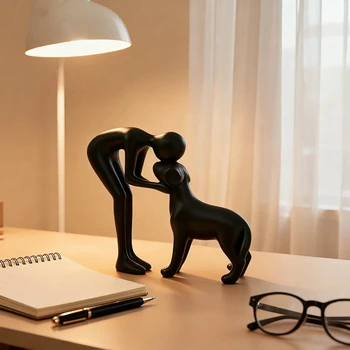
Instead of filling every surface, focus on pieces that add personality and meaning. A few well-chosen decorative elements often have a greater impact than an abundance of small items.
Artwork, photographs, plants, and unique decor can help tell your story while maintaining a clean and uncluttered appearance.
Thoughtful decorating creates a home that feels personal rather than crowded.
Create Storage That Blends With the Design
Storage is often one of the biggest challenges in smaller homes. The best storage solutions are both functional and attractive.
Decorative baskets, storage benches, shelving units, and hidden storage furniture can help keep belongings organized without disrupting the room’s design.
Creating designated places for everyday items reduces visual clutter and helps maintain a calm, open atmosphere.
When storage becomes part of the decor, functionality and style work together seamlessly.
Define Spaces Without Closing Them Off
Open layouts are common in smaller homes, but it’s still helpful to create visual separation between different areas.
Area rugs, lighting, furniture placement, and shelving can define spaces without building walls or blocking sightlines.
For example, a rug can distinguish a living area from a dining space, while a bookshelf can create subtle separation without making the room feel smaller.
Defining zones helps improve functionality while preserving openness.
Embrace Quality Over Quantity
One of the biggest advantages of decorating a small space is the opportunity to be intentional about what you bring into your home.
Rather than filling rooms with unnecessary furniture or decorations, focus on choosing quality pieces that you truly love and use.
A thoughtfully curated space often feels more stylish and comfortable than a room filled with excess items.
When every piece serves a purpose, your home feels more organized, functional, and reflective of your personality.
Final Thoughts: Small Spaces Can Make a Big Impact
A smaller home doesn’t limit your decorating possibilities—it simply encourages smarter design choices. With intentional furniture selection, effective storage, strategic lighting, and meaningful decor, any space can feel stylish, functional, and inviting.
The goal isn’t to make a small room look large. It’s to make it work beautifully for your lifestyle while reflecting your personal taste.
When thoughtful design meets practical functionality, even the smallest spaces can have a big impact.
What is your favorite small-space decorating trick for making a room feel bigger and more comfortable? 🏡✨

0 Comments