
The living room is often one of the most-used spaces in any home. It serves as a place to relax after a long day, gather with family and friends, enjoy entertainment, and sometimes even work or study. Because it plays so many roles, designing a living room that is both functional and stylish can make a significant difference in your everyday life.
A beautiful living room should do more than look good—it should support your lifestyle while creating an inviting atmosphere that encourages comfort and connection. The best designs balance practicality with personality, resulting in a space that feels welcoming, organized, and enjoyable to spend time in.
Whether you’re refreshing an existing room or starting from scratch, thoughtful design choices can help you create a living room that works for your needs while reflecting your personal style.
Start With How You Use the Space
Before choosing furniture, décor, or color schemes, think about how your living room is used on a daily basis.
Some households use the living room primarily for relaxing and watching television. Others use it for entertaining guests, family gatherings, reading, gaming, or even working from home.
Understanding the room’s primary purpose helps guide every design decision. A family-focused living room may require durable furniture and flexible seating, while a space designed for entertaining may prioritize conversation areas and flow.
When functionality drives the design, the room naturally becomes more enjoyable to use.
Choose Comfortable Seating
Comfortable seating is the foundation of any successful living room.
Sofas, sectionals, chairs, and accent seating should provide enough space for household members and guests while supporting everyday activities. Comfort should always be considered alongside style.
The size of your furniture should match the size of the room. Oversized furniture can overwhelm a smaller space, while furniture that is too small may leave larger rooms feeling incomplete.
Arranging seating to encourage conversation and interaction helps create a welcoming environment. Rather than focusing solely on a television or focal point, consider how people will gather and connect within the space.
A comfortable living room invites people to stay and enjoy their time together.
Create a Balanced Layout
A thoughtful layout can dramatically improve both the appearance and functionality of a living room.
Furniture should be arranged to support natural movement throughout the space. Clear pathways make rooms feel more open and accessible while reducing visual clutter.
The layout should also establish a focal point. This could be a fireplace, a large window, a media center, artwork, or a statement piece of furniture.
Balancing furniture placement helps create harmony and ensures that the room feels organized rather than crowded.
Sometimes simply rearranging existing furniture can make a room feel entirely new.
Layer Lighting for Flexibility
Lighting plays a crucial role in both the functionality and atmosphere of a living room.
Rather than relying on a single overhead fixture, consider layering multiple light sources throughout the space.
Ambient lighting provides general illumination, while task lighting supports activities like reading. Accent lighting highlights artwork, shelving, or decorative features.
Table lamps, floor lamps, wall sconces, and natural light all contribute to a warm and inviting environment.
Layered lighting allows you to adjust the mood throughout the day, making the room suitable for everything from entertaining guests to enjoying a quiet evening at home.
Add Personality Through Décor
Décor is what transforms a functional room into a personal and stylish space.
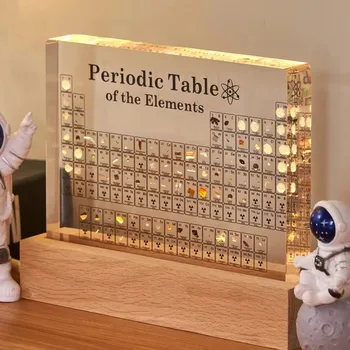
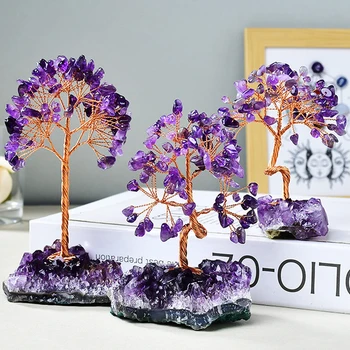
Artwork, decorative pillows, throws, books, plants, and accessories allow you to express your personality while adding visual interest.
The key is choosing décor intentionally. Rather than filling every surface, focus on meaningful pieces that complement the overall design.
Personal touches such as family photos, travel souvenirs, or favorite collections help make the room feel authentic and unique.
A stylish living room should reflect the people who use it every day.
Incorporate Texture for Warmth
Texture is one of the most effective ways to make a living room feel comfortable and inviting.
Layering materials such as soft rugs, woven baskets, plush pillows, knit blankets, wood furniture, and natural fibers adds depth and warmth.
Without texture, even well-designed spaces can feel flat or sterile. Mixing different materials creates visual interest while enhancing comfort.
Textural elements also help soften hard surfaces and make the room feel more welcoming.
The goal is to create a space that looks as comfortable as it feels.
Keep Organization in Mind
A stylish living room is easier to maintain when storage and organization are built into the design.
Storage solutions such as shelves, cabinets, baskets, and multifunctional furniture help keep everyday items organized while reducing clutter.
Coffee tables with storage, media consoles, and decorative baskets can provide practical solutions without sacrificing style.
When everything has a designated place, the room feels calmer and more functional.
Organization allows decorative elements to stand out rather than compete with unnecessary clutter.
Use Color to Set the Mood
Color has a significant influence on how a living room feels.
Neutral palettes often create a calm and versatile foundation, while accent colors can introduce energy and personality.
Soft earth tones, warm neutrals, calming blues, and natural greens remain popular choices because they create a welcoming atmosphere while complementing a wide range of decorating styles.
Color can be introduced through furniture, rugs, artwork, pillows, and decorative accessories.
The most successful color schemes support both the room’s function and the mood you want to create.
Balance Style and Practicality
The best living rooms combine beauty with everyday usability.
Furniture should be durable enough to support daily life. Décor should enhance the space without making it difficult to maintain. Layouts should support both social interaction and relaxation.
Design choices that balance aesthetics and practicality often result in spaces that remain enjoyable long after trends change.
A room that works well for your lifestyle will always feel more successful than one designed solely for appearance.
Final Thoughts: A Living Room Designed for Living
A functional and stylish living room is one that supports your daily routines while creating an atmosphere of comfort and connection. By focusing on comfortable seating, thoughtful layouts, layered lighting, meaningful décor, and practical organization, you can design a space that feels both beautiful and useful.
The goal is not to create a perfect showroom. It’s to create a room where family and friends naturally want to gather, relax, and spend time together.
When comfort, function, and style work together, your living room becomes more than just a room—it becomes the heart of your home.
What is the most important feature in your ideal living room—comfortable seating, great lighting, smart storage, or personal décor? 🏡✨




0 Comments