
In today’s busy world, having a place to relax and recharge is more important than ever. While every room in your home serves a purpose, the bedroom has a unique role—it’s where you begin and end each day. A thoughtfully designed bedroom can help reduce stress, improve comfort, and create an environment that supports rest and relaxation.
Transforming your bedroom into a peaceful retreat doesn’t require a complete makeover or expensive renovations. Often, small changes involving color, organization, lighting, and comfort can make a significant impact. The goal is to create a space that feels calm, welcoming, and tailored to your personal needs.
Whether your bedroom is large or small, there are simple ways to turn it into a sanctuary you’ll look forward to spending time in every day.
Start With a Calming Color Palette
Color plays a major role in how a room feels. In a bedroom, calming colors can help create an atmosphere that encourages relaxation and rest.
Soft neutrals, warm whites, gentle grays, muted blues, and subtle greens are popular choices because they create a soothing environment without feeling overwhelming.
These colors work well as a foundation and can be paired with natural materials, cozy textiles, and decorative accents that add personality.
You don’t necessarily need to repaint the entire room to achieve a calming effect. Bedding, curtains, rugs, artwork, and decorative accessories can introduce relaxing colors while complementing your existing décor.
The key is choosing shades that make you feel comfortable and at ease.
Invest in Comfortable Bedding
Comfort is at the heart of every bedroom retreat. One of the easiest ways to elevate your space is by upgrading your bedding.
Soft sheets, supportive pillows, cozy comforters, and layered blankets can make a bedroom feel significantly more inviting. Quality bedding not only improves comfort but also contributes to the overall appearance of the room.
Layering different textures creates visual warmth while enhancing the feeling of relaxation. Combining crisp linens with soft throws and decorative pillows can make the bed feel like a luxurious centerpiece.
Because the bed is typically the focal point of the room, investing in comfort here often provides the biggest impact.
Reduce Clutter and Create Organization
A cluttered bedroom can make it difficult to fully relax. When surfaces are crowded and belongings lack a designated place, the room may feel more stressful than restful.
Creating simple organizational systems can help maintain a sense of calm. Nightstands, dressers, storage benches, baskets, and closet organizers can keep everyday items neatly stored while reducing visual clutter.
Focus on keeping frequently used items accessible while removing unnecessary distractions from visible areas.
An organized bedroom often feels larger, cleaner, and more peaceful, making it easier to unwind at the end of the day.
Use Lighting to Set the Mood
Lighting is one of the most effective tools for creating a relaxing atmosphere.
Bright overhead lighting may be practical, but softer layered lighting typically feels more calming in a bedroom setting. Bedside lamps, wall sconces, and accent lighting provide a warm glow that supports relaxation during evening hours.
Natural light is equally valuable during the day. Maximizing sunlight can make the room feel bright and refreshing, while blackout curtains or adjustable window treatments help create a restful environment at night.
The ability to adjust lighting throughout the day allows your bedroom to support both productivity and relaxation.
Add Cozy Textures
Texture is essential when designing a comfortable retreat.
Soft area rugs, plush blankets, decorative pillows, upholstered furniture, and fabric window treatments help make a room feel warm and inviting. These elements add visual depth while enhancing physical comfort.
Natural materials such as wood, woven baskets, cotton, linen, and wool can further contribute to a cozy atmosphere.
Layering textures creates a sense of comfort that encourages relaxation and makes the room feel more personal.
Even small additions can significantly change how a space feels.
Create a Space for Relaxation
While the bed may be the primary feature of the room, creating a dedicated area for relaxation can make the bedroom feel even more inviting.
A comfortable chair, a small reading nook, or a quiet corner with soft lighting can provide a place to unwind before bedtime.
These spaces encourage activities that support relaxation, such as reading, journaling, or simply taking a few moments to decompress after a busy day.
Even in smaller bedrooms, a thoughtfully arranged corner can create a sense of retreat.
Incorporate Personal Touches
A bedroom retreat should feel personal and meaningful.
Artwork, photographs, decorative objects, and cherished keepsakes can help make the room feel uniquely yours. Rather than filling the space with random décor, focus on pieces that bring positive memories or reflect your personality.
Meaningful details help create emotional connections to your environment and contribute to a greater sense of comfort.
The most relaxing spaces often feel authentic rather than perfectly styled.
Bring Nature Into the Bedroom
Natural elements can have a calming effect and help create a peaceful atmosphere.
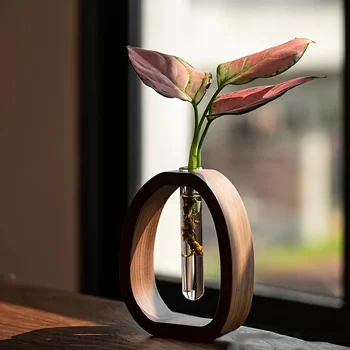
Houseplants, fresh flowers, wooden furniture, and natural textiles introduce warmth and life into the room. Even a few simple natural accents can soften the space and make it feel more connected to the outdoors.
Plants are especially popular because they add color, texture, and freshness while enhancing the overall aesthetic of the room.
Nature-inspired design helps create an environment that feels balanced and restorative.
Keep Technology in Check
Many people use their bedrooms as a place to unwind, but excessive technology can sometimes interfere with relaxation.
Creating boundaries around screens and electronic devices may help support a more restful environment. Simple changes such as reducing visual distractions, organizing charging stations, or creating tech-free periods before bedtime can contribute to a calmer atmosphere.
The goal is to ensure that the bedroom remains a place associated with rest, comfort, and rejuvenation.
Final Thoughts: Create a Bedroom That Helps You Recharge
A bedroom retreat isn’t about luxury or perfection—it’s about creating a space that helps you feel relaxed, comfortable, and refreshed. Through calming colors, comfortable bedding, thoughtful organization, cozy textures, and personal touches, you can transform your bedroom into a place that supports your well-being every day.
Small changes often make the biggest difference. By focusing on comfort, simplicity, and intentional design, you can create a bedroom that truly feels like a retreat from the demands of everyday life.
After all, everyone deserves a space where they can relax, recharge, and unwind.
What helps you relax most in your bedroom—a cozy blanket, soft lighting, calming colors, or a clutter-free space? 🛏️✨🏡






0 Comments